Finding your first job can be challenging when every job posting seems to ask for experience. The good news is that employers also look at skills, attitude, education, and potential. Even without previous employment, you can take practical steps to make yourself a stronger candidate.
Start With Entry-Level Jobs
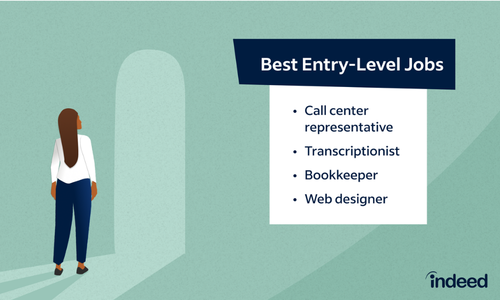
Look for positions specifically designed for beginners. Entry-level roles often provide training and do not require several years of professional experience. Customer service, administration, retail, sales, hospitality, and junior roles in different industries can be good starting points.
Read the requirements carefully and focus on jobs where you can meet the main expectations.
Highlight Your Transferable Skills
You may not have professional experience, but you probably have useful skills. School projects, university assignments, volunteering, internships, freelance work, and personal projects can all demonstrate your abilities.
For example, group projects can show teamwork, while organising an event can demonstrate planning and communication skills.
Create a Strong Resume
Keep your resume simple and focused. Include your education, relevant skills, certifications, projects, volunteer activities, and achievements. Instead of focusing on your lack of experience, show employers what you can contribute.
Make sure your resume is tailored to each position and clearly explains why you are suitable for the role.
Build Skills Before Applying
If you are missing an important skill, consider learning it before or while searching for work. Online courses, tutorials, practice projects, and certifications can help you develop knowledge that employers value.
Creating a few practical projects can also give you something concrete to discuss during interviews.
Use Your Network
Tell friends, former classmates, teachers, and professional contacts that you are looking for your first job. Someone in your network may know about an opening or introduce you to an employer.
You can also build professional connections through LinkedIn and industry communities.
Prepare for Interviews
Before an interview, research the company and practise answering common questions. Be prepared to explain why you want the job and how your skills can help the employer.
If you do not know something, be honest and show that you are willing to learn.
Final Thoughts
Getting your first job without experience takes patience, but it is absolutely possible. Focus on entry-level opportunities, highlight transferable skills, build relevant abilities, and apply consistently. Your first job is the beginning of your career, not a test of everything you will achieve in the future.