
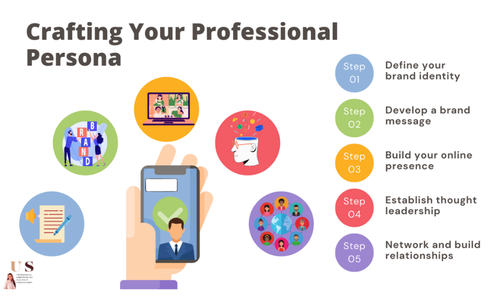
A personal brand is the way you present your skills, experience, knowledge, and professional interests to other people. Building a strong personal brand can help you become more recognisable in your industry and make it easier for employers, recruiters, or clients to understand what you can offer.
Identify Your Strengths
Start by thinking about what makes you valuable professionally. Consider your strongest skills, experience, interests, achievements, and areas of knowledge.
Ask yourself what you want people to remember about you. For example, you might want to be known for your expertise in digital marketing, project management, design, technology, or another field.
Define Your Career Goals
Your personal brand should support your career direction. Decide what type of opportunities you want to attract.
If you are looking for a new job, focus your professional presence on the skills and experience relevant to your target positions. A clear direction makes your personal brand more consistent.
Build a Professional Online Profile
Create professional profiles on platforms that are relevant to your industry. LinkedIn can be particularly useful for showcasing your experience, skills, achievements, and career interests.
Keep your profile updated and use a professional photo, clear headline, and informative summary.
Share Useful Content
One way to demonstrate your knowledge is by sharing useful content related to your field. You could discuss something you learned, share an interesting industry development, or explain how you solved a professional problem.
You do not need to post every day. Focus on creating or sharing content that provides genuine value.
Showcase Your Work
If possible, create an online portfolio that demonstrates what you can do. Include relevant projects, writing samples, designs, presentations, case studies, or other examples of your work.
Showing real work can often communicate your abilities more effectively than simply listing skills.
Network With Industry Professionals
Connect with people who work in your field. Participate in professional discussions, attend online events, and engage respectfully with other professionals.
Networking can increase your visibility and help you learn about new opportunities.
Stay Consistent
Your resume, LinkedIn profile, portfolio, and other professional accounts should tell a similar career story. Use consistent information about your experience, skills, and professional goals.
Final Thoughts
Creating a personal brand does not mean pretending to be someone you are not. It means presenting your genuine skills and experience in a clear and consistent way. Identify your strengths, define your goals, build a professional online presence, showcase your work, and connect with others in your industry. With time and consistent effort, your personal brand can support your long-term career growth.
